Guide5 min read
Car trade scams, and how to trade safely with a stranger
The most common scams in private car trades, from title washing and odometer rollbacks to fake payments and curbstoning, and a practical checklist for checking the person, the car and the money.
 By SpotaLabs Team
Trading cars with another owner can save you thousands. It also means handing your keys, and one of your most valuable possessions, to someone you met online. Most people you'll deal with are exactly who they say they are: enthusiasts who want a different car. But scams in private car sales are real, and a trade involves two cars and sometimes cash, which gives a scammer more to work with.
The good news is that nearly every scam fails against the same few checks. This guide covers the common ones, the red flags, and a checklist you can use for any private trade.
Common car trade scams
Title washing and hidden brands
A car that was declared salvage, flood-damaged or a lemon gets re-titled in another state with weaker rules, and the brand "disappears". The title looks clean, but the car isn't.
How to protect yourself: run a vehicle history report on the VIN, which pulls title records across states. Look for title brands, total-loss records and auction photos.
Odometer rollback
Digital odometers can be rolled back with cheap tools. A car with 140,000 miles is sold as 60,000.
How to protect yourself: compare the odometer with service records, inspection records and the history report's mileage readings. Wear on pedals, the steering wheel and seats should make sense for the mileage.
Liens nobody mentioned
The owner trades you a car with an outstanding loan. When they stop paying, the lender comes for the car, and it's now in your driveway.
How to protect yourself: check the title for a lienholder, and ask directly. If there's a loan, the payoff has to be part of the deal. See Can you trade a car you still owe money on?
Not the real owner
The person "trading" the car doesn't own it. It's borrowed, financed by someone else, stolen or a rental. Or they're a curbstoner: an unlicensed dealer flipping cars with problems while pretending to be a private owner.
How to protect yourself: the name on the title should match the person's ID. Be wary of titles signed by someone else ("open titles"), owners who've had the car for only weeks, and sellers with several cars for sale.
VIN cloning
A stolen car is given the VIN of a legitimate, similar car, with fake VIN plates and paperwork.
How to protect yourself: check the VIN in several places (dashboard, door jamb, and on major parts where visible) and make sure they all match each other and the title. An inspector will spot tampered VIN plates.
Payment scams
Fake cashier's checks, overpayment ("I sent too much, please refund the difference"), payment "pending" screenshots and reversed transfers. In a trade with a cash difference, these target whoever is receiving money.
How to protect yourself: only accept payment you can verify in your own account, or verify a cashier's check with the issuing bank in person. Never refund an "overpayment". Don't release your car until the funds have arrived.
Bait and switch
The car at the meetup isn't the one in the photos, or a problem that "wasn't there" suddenly appears. Or the other owner pressures you to skip the inspection because "someone else is interested".
How to protect yourself: insist on an independent inspection of the actual car you'll receive, and walk away from pressure.
Red flags
- Pressure to decide fast, or to skip the inspection or history report.
- Reluctance to show the title or ID, or a title in someone else's name.
- A price or trade that's far too good.
- Stories that change: why they're trading, how long they've owned it, what's been repaired.
- Requests to move the conversation off-platform immediately, or to pay through unusual channels.
- Meeting only at night, or somewhere isolated.
A safe trade checklist
The person
- Name on the title matches their photo ID.
- They've owned the car for a reasonable time, and their story is consistent.
- Conversation and agreement are in writing.
The car
- VIN matches in every place, and on the title.
- Vehicle history report: title brands, accidents, mileage readings, liens.
- Independent pre-purchase inspection of the exact car.
- Mileage is consistent with records and wear.
The money and paperwork
- Any lien has a clear payoff plan, with funds going to the lender.
- Cash difference paid by a verifiable method, confirmed before handoff.
- Bill of sale for both cars, and titles signed correctly.
- Insurance in place before you drive away.
The meetup
- Daylight, public place: a bank, or a police "safe exchange zone".
- Bring someone with you, and tell someone else where you'll be.
How Shifta builds safety into a trade
Shifta is designed so these checks are part of the trade rather than something you have to remember:
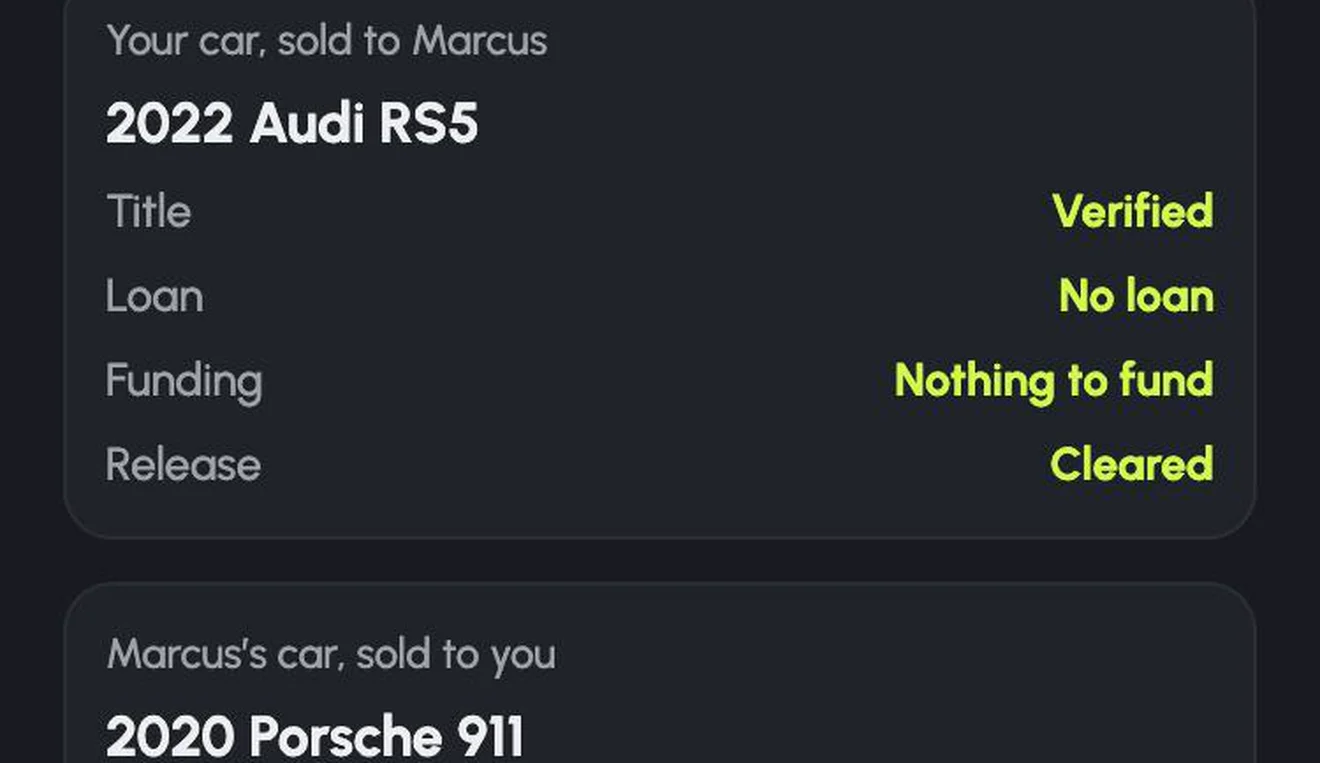
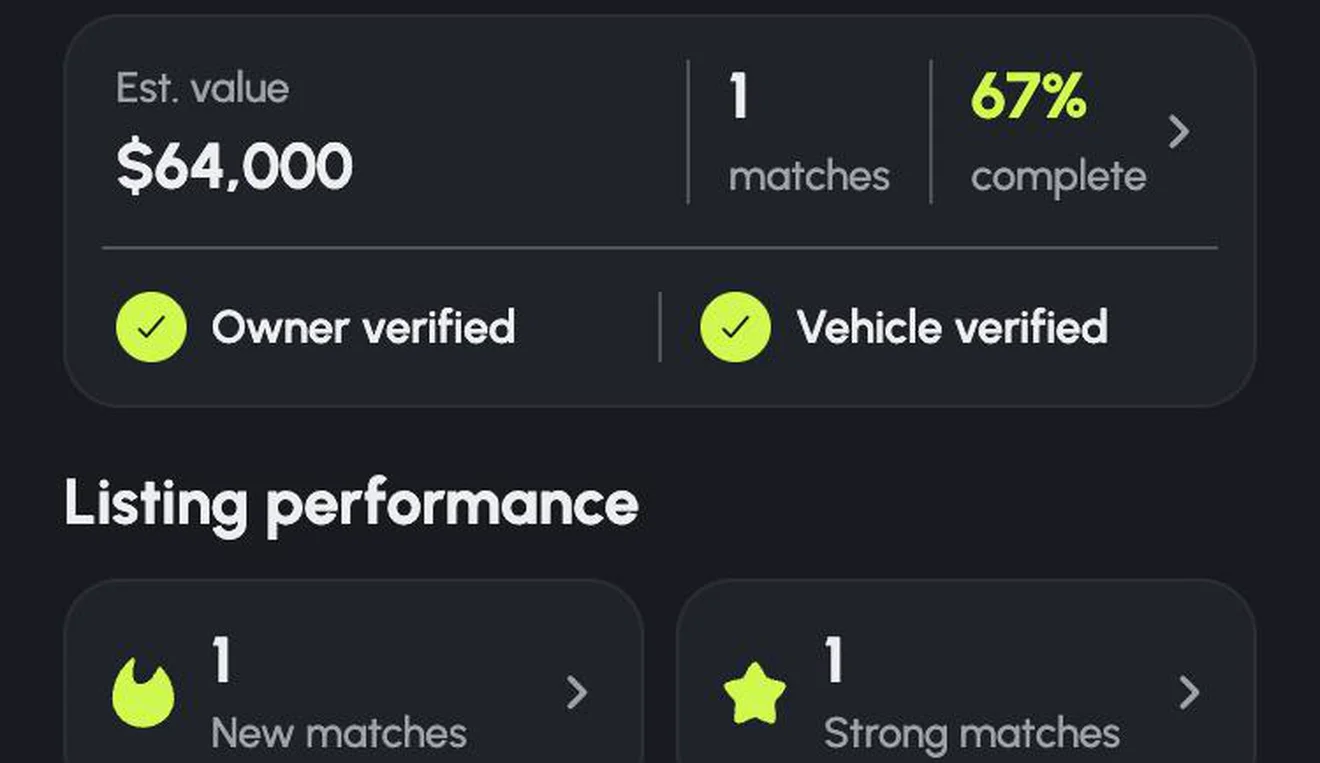
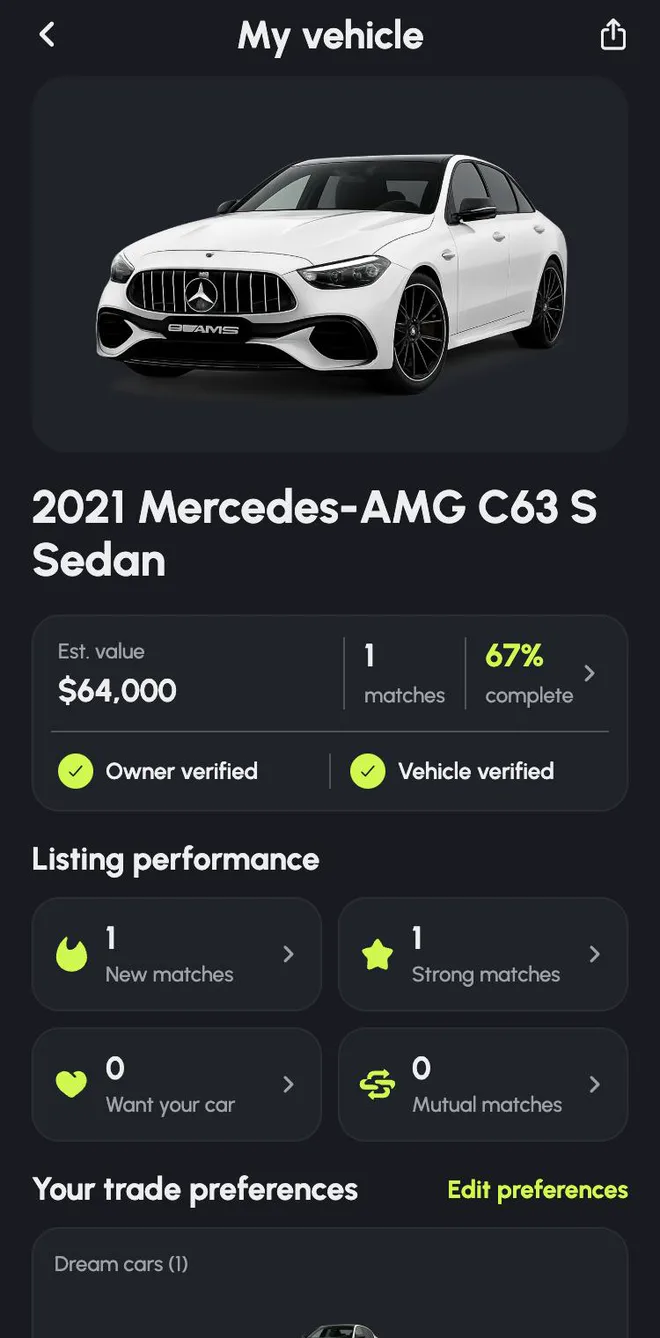
- Verification. Owners can verify their identity and ownership, and listings show Owner verified and Vehicle verified badges only once those checks are done.
- Secure messaging. Conversations happen in the Shift Room, where the history is kept.
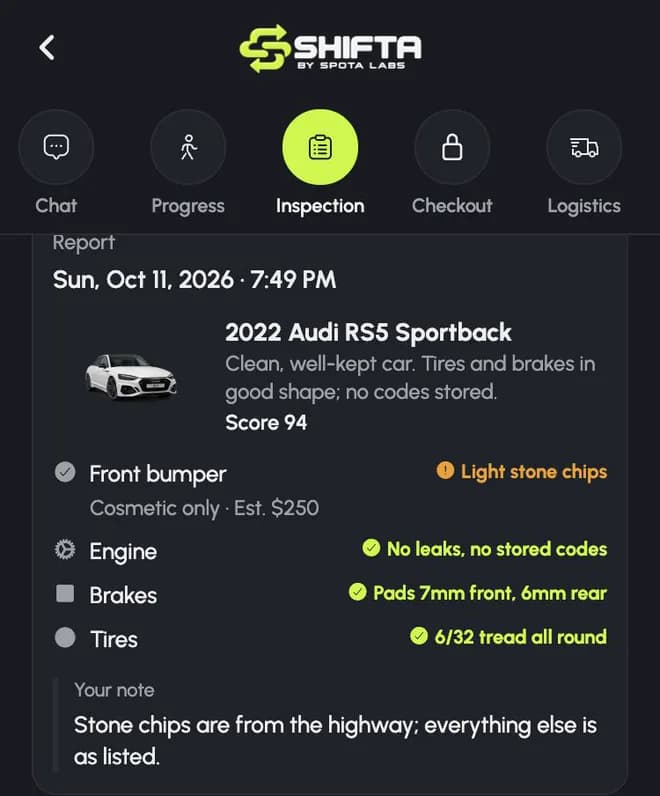
- Inspection. In a Secure Shift, each car is inspected independently. Its owner reviews the report, and the owner receiving it decides whether to accept.
- Title, lien and identity checks are always required before an exchange.
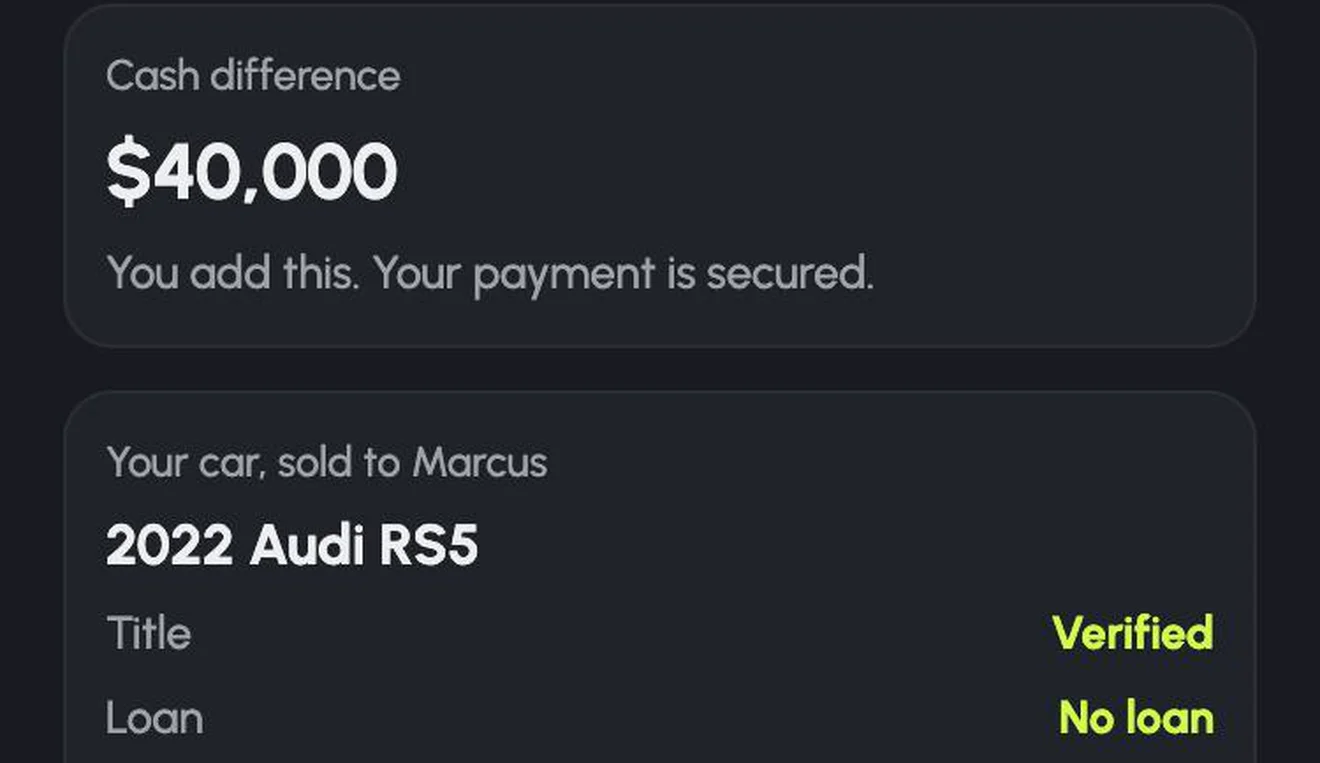
- Secured funds. The cash difference is secured before either car is released, and both owners confirm each handoff with the odometer reading.
For the full process, read How to trade your car for another car without a dealer.
- shifta
- car trade
- safety
- scams
- verification
- guide
ShiftaSkip the sale. Trade into your next car.